What Is a Gay Bear? Exploring Bear Culture in the LGBTQ+ Community
In the rich and multifaceted world of LGBTQ+ identity, few subcultures are as distinctive, empowering, and celebrated as the gay bear community. If you’ve ever wondered what a "bear" is in gay culture, or stumbled across phrases like "bear on bear" or "gay bears," this guide will give you a deeper understanding of this inclusive, body-positive, and often misunderstood group.
What Is a Gay Bear?
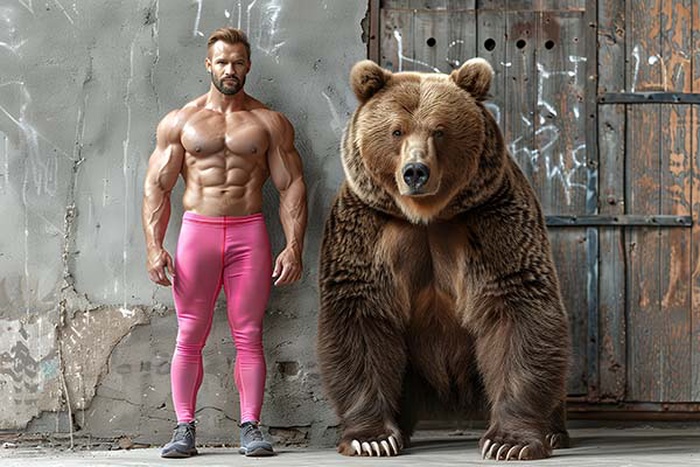 In gay culture, a bear typically refers to a gay man who is larger-bodied, often with noticeable body or facial hair, and presents a rugged or masculine demeanor. However, bear culture is about far more than physical traits—it represents a celebration of diversity, masculinity, and authentic self-expression within the queer community.
The term first gained traction in the late 1980s and early 1990s, in response to the prevailing stereotype of gay men as slim, clean-shaven, and fashionable. Bears stood in proud opposition, representing men who were burly, bearded, and often unconcerned with mainstream beauty standards. Over time, the label has grown to encompass a wide range of body types and identities within its own subculture.
Bear on Bear: A Unique Attraction
“Bear on bear” describes romantic or sexual attraction between two men who both identify as bears. While many bears are attracted to a variety of body types, this term specifically highlights mutual attraction between large, hairy, masculine-presenting men. It subverts the more common pairings in gay media and gives visibility to larger men desiring and loving other larger men, a dynamic often underrepresented in LGBTQ+ narratives.
Subcategories Within Bear Culture
The gay bear identity isn’t a monolith. There are several subtypes within bear culture, including:
- Cubs: Younger or smaller men who identify with bear culture.
- Muscle bears: Bears with muscular builds—big, strong, and hairy.
- Otters: Slim, hairy men—usually less bulky but still within the bear spectrum.
- Pandas: Typically used for bears of Asian descent.
- Polar bears: Older bears with white or greying hair.
Each identity plays a role in affirming individual expression while contributing to the overall tapestry of the bear community.
What It Means Culturally
Beyond looks, being a bear is a cultural statement. It’s about embracing authenticity, rejecting unrealistic beauty norms, and creating space where comfort and camaraderie trump aesthetics. Bears often form strong communities through social events like “bear runs,” pool parties, leather-themed events, and camping festivals.
This culture also embraces the idea that masculinity exists in many forms. While traditional gay media often idealizes youth and leanness, the bear community celebrates larger bodies, older men, and rugged presentation. For many, being part of this culture offers the acceptance and validation they’ve been denied elsewhere in queer spaces.
Bear Brotherhood: The Origins
Historically, the roots of the bear identity trace back not only to gay nightlife in the U.S. West Coast in the 1980s, but also deeper into human history. Anthropologists have linked the reverence of bears in ancient cultures—from the Magdalenian period to Indigenous North American tribes—to how bears have come to symbolize strength, wisdom, and masculinity. These archetypes echo in modern gay bear symbolism, where the bear stands as a figure of quiet power and resilience.
The Bear Flag and Symbolism
The International Bear Brotherhood Flag, designed in 1995, is a key symbol for the bear community. With stripes of brown, orange, yellow, white, and black—representing the colors of human and bear fur—the flag serves as an emblem of unity and inclusiveness. The bear paw in the corner further signifies pride in the bear identity.
Challenges Within the Bear Community
Despite its message of inclusion, the bear world isn’t free of internal conflict. Some members feel that even within this subculture, there’s exclusion based on race, body size, or presentation. Discussions have emerged on Reddit and other forums about how racism, fatphobia, and ageism can still manifest inside a community built on acceptance.
Another tension exists between the celebration of masculinity and rigid expectations of what “masculine” means. Some bears who are feminine-presenting or gender-nonconforming report feeling out of place, despite meeting the physical attributes of the bear label. These internal criticisms serve as reminders that all communities must continue striving for more inclusivity and self-reflection.
Bear Culture in Media and Pop Culture
From indie films to social media influencers, gay bears are becoming more visible. Series like BearCity and apps like Growlr have helped expand representation. Still, mainstream gay media often favors youthful, thin models, so many bears turn to their own platforms to express themselves authentically.
Online platforms like Gkiss.com offer a welcoming space for bears and those who admire them. Whether you identify as a bear, a cub, or someone who loves them, Gkiss provides a space to connect, flirt, and form meaningful relationships with people who value body positivity and masculine energy in all its forms.
Why Bear Culture Matters
Bear culture provides a sense of belonging for those who don’t see themselves in stereotypical gay representations. It fosters confidence, celebrates difference, and builds community. In a world where physical appearance is often policed, bears remind us that love, attraction, and pride come in all sizes and shapes.
Conclusion: Big, Bearded, and Proud
The bear community has transformed from a countercultural movement into a globally recognized subculture that continues to evolve. Whether you’re hairy and hefty, lean and scruffy, or just curious about this warm and fuzzy world, there’s space for you here. Understanding bear culture helps us celebrate diversity not just in the LGBTQ+ world, but in masculinity and identity as a whole.
Ready to meet real bears near you? Join Gkiss.com today and discover a space where your body, beard, and boldness are celebrated.